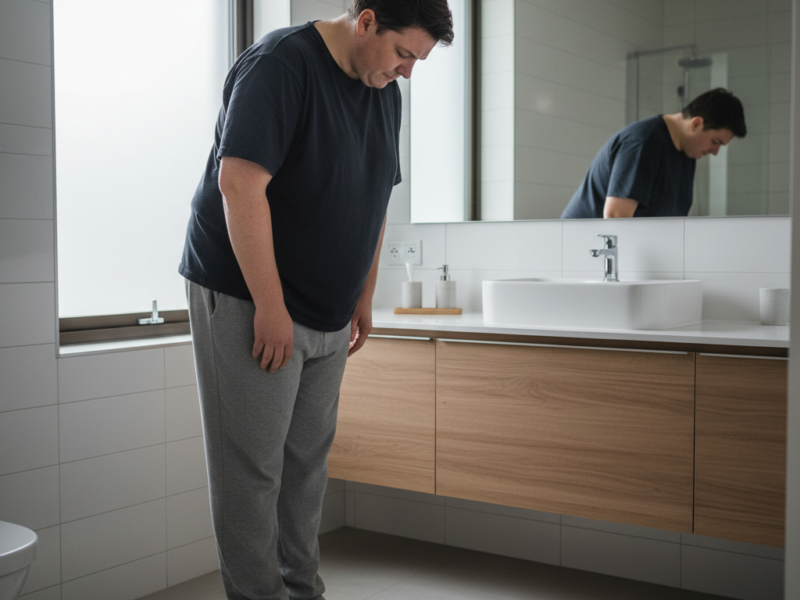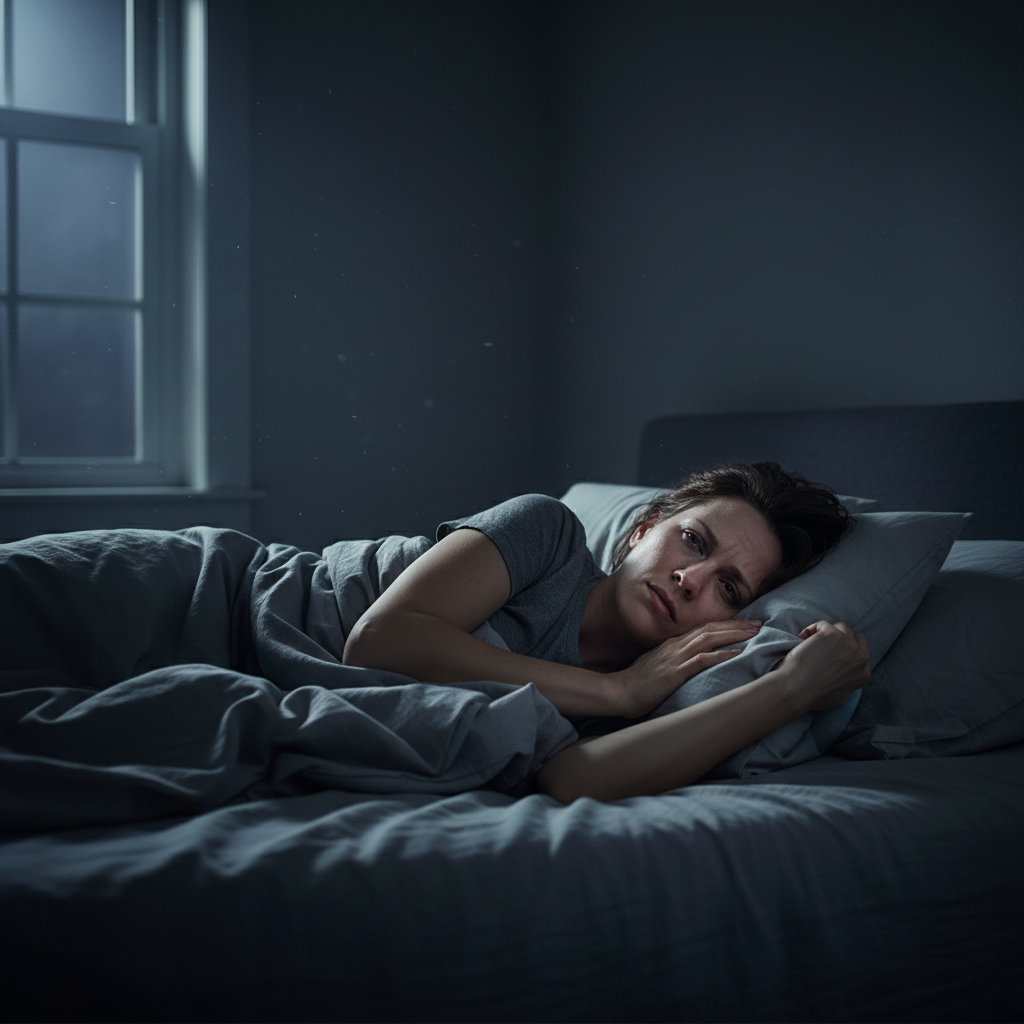
The Sleep Deprivation Epidemic: How Poor Sleep Is Shortening Your Life in 2026
Introduction
In our relentlessly connected world, sleep is often the first thing we sacrifice. We trade it for one more email, another episode of a trending show, or a few more minutes of scrolling. We wear our exhaustion like a badge of honor, a testament to our productivity and ambition. But a growing body of evidence, especially the alarming data emerging as we look toward 2026, paints a starkly different picture. We are in the midst of a silent sleep deprivation epidemic, and it is quietly eroding our health, happiness, and longevity.
Feeling tired is just the tip of the iceberg. Chronic sleep loss is not merely an inconvenience. It is a profound physiological stressor with far reaching consequences. It impacts everything from our immune system and heart health to our cognitive function and metabolic stability. This article will explore the critical sleep deprivation health effects 2026 research is highlighting, help you recognize the warning signs in your own life, and provide actionable, natural strategies to reclaim your rest and protect your future.
What the 2026 Research Reveals
For years, scientists have understood the importance of sleep, but recent and projected studies for 2026 are solidifying the links between poor sleep and serious disease with unprecedented clarity. The data shows that consistently getting less than the recommended seven to nine hours of sleep per night is not a simple lifestyle choice. It is a significant health risk factor, comparable to smoking or a sedentary lifestyle. Here is what the latest science is telling us about how lack of sleep affects health.
First, the connection between sleep and brain health is stronger than ever. During deep sleep, your brain performs critical maintenance. It clears out metabolic waste products, including beta amyloid plaque, which is famously associated with Alzheimer’s disease. When you cut sleep short, you interrupt this vital cleaning process. Projections for 2026 suggest a measurable increase in early onset cognitive decline among populations with chronically poor sleep habits. The effects are not just long term. Even one night of poor sleep can impair memory, judgment, and creative problem solving the next day.
Second, the link between sleep and heart disease has become a major focus. Lack of sleep contributes to high blood pressure and increased inflammation, two primary drivers of cardiovascular disease. When you do not get enough sleep, your body releases more stress hormones like cortisol. These hormones keep your blood pressure elevated for longer periods. Over time, this strains your heart and blood vessels, increasing your risk for heart attack and stroke. Studies are now tracking inflammatory markers like C-reactive protein and showing they are consistently elevated in sleep deprived individuals, indicating a state of chronic, low grade inflammation that is damaging to the entire cardiovascular system.
Third, our metabolic health is intricately tied to our sleep patterns. Sleep deprivation disrupts the normal regulation of hormones that control appetite, namely ghrelin and leptin. Ghrelin, the “hunger hormone,” increases, while leptin, the hormone that signals fullness, decreases. This hormonal imbalance leads to increased cravings for high calorie, carbohydrate rich foods, which contributes to weight gain. Furthermore, poor sleep impairs the body’s ability to use insulin effectively, leading to insulin resistance. This is a direct precursor to type 2 diabetes. The 2026 public health models predict a continued rise in metabolic syndrome directly linked to our 24/7 work culture and resulting sleep loss.
Finally, a tired body has a weakened defense system. Sleep is essential for a robust immune response. During sleep, your body produces and releases cytokines, which are proteins that target infection and inflammation. Without sufficient sleep, you produce fewer of these protective cytokines, making you more vulnerable to common viruses like the cold and flu. Chronic sleep loss can also diminish the effectiveness of vaccines, as your body may not mount a strong antibody response. In a world still mindful of global health threats, a well rested immune system is your first and best line of defense.
Warning Signs You Should Not Ignore
Many people have become so accustomed to being tired that they no longer recognize the signs of chronic sleep deprivation. They dismiss their symptoms as normal parts of a busy life or aging. However, your body sends clear signals when it is not getting the rest it needs. Ignoring these chronic sleep deprivation symptoms can lead to the serious health consequences we have discussed. It is time to stop normalizing exhaustion and start listening to your body.
Here are some key warning signs you should not ignore:
- Constant Fatigue and Daytime Drowsiness: This is the most obvious sign, but it goes beyond just feeling a little sleepy. It is a bone deep weariness that a cup of coffee cannot fix. You might find yourself dozing off during meetings, while watching TV, or even while driving, a dangerous phenomenon known as microsleep.
- Cognitive Impairment: Are you having trouble concentrating at work? Do you find it hard to focus on a task, make decisions, or remember names and details? Sleep deprivation significantly impairs executive functions, making you feel like you are living in a constant state of brain fog.
- Mood Swings and Irritability: Lack of sleep shortens your fuse. The emotional centers of your brain become more reactive, while the logical, rational parts become less active. This can lead to increased irritability, impatience, anxiety, and a general feeling of being emotionally unstable.
- Increased Appetite and Cravings: If you find yourself constantly reaching for sugary snacks, junk food, and simple carbs, your sleep habits could be to blame. As mentioned, sleep loss disrupts your appetite hormones, making you crave the very foods that contribute to weight gain and poor metabolic health.
- Getting Sick More Often: Do you seem to catch every cold that goes around the office? A weakened immune system is a classic sign of insufficient rest. If you are experiencing more frequent or prolonged illnesses, it is a strong indicator that your body’s defenses are compromised.
- Physical Symptoms: Chronic sleep loss can manifest physically. You might experience unexplained aches and pains, dark circles under your eyes, and skin that looks dull and aged. Your physical performance and coordination may also decline, making you more prone to accidents.
If several of these signs resonate with you, it is not just a phase. It is a critical message from your body that you need to prioritize rest.
What Doctors Recommend Right Now
The good news is that you have the power to improve your sleep and, in turn, your overall health. Learning how to sleep better naturally involves creating consistent habits and an environment that signals to your body it is time to rest. These strategies, often referred to as “sleep hygiene,” are the foundation of what doctors recommend for combating sleep deprivation.
Start by establishing a consistent sleep schedule. This is perhaps the most important tip. Go to bed and wake up at the same time every day, even on weekends. This helps regulate your body’s internal clock, or circadian rhythm, making it easier to fall asleep and wake up naturally. Your body thrives on routine.
Next, optimize your bedroom environment. Your bedroom should be a sanctuary for sleep, not a multipurpose room for work and entertainment. Follow these three rules. Keep it cool, dark, and quiet. A room temperature between 60 and 67 degrees Fahrenheit is ideal for sleeping. Use blackout curtains, an eye mask, and earplugs to block out disruptive light and sound. Most importantly, remove screens like TVs, laptops, and smartphones from the bedroom. The blue light they emit suppresses melatonin production, the hormone that signals sleep.
Create a relaxing pre sleep ritual. You cannot expect your brain to switch off instantly after a hectic day. Dedicate the last 30 to 60 minutes before bed to unwinding. This could include taking a warm bath, reading a physical book, listening to calming music, gentle stretching, or practicing meditation or deep breathing exercises. The goal is to transition your mind and body from an active state to a restful one.
<