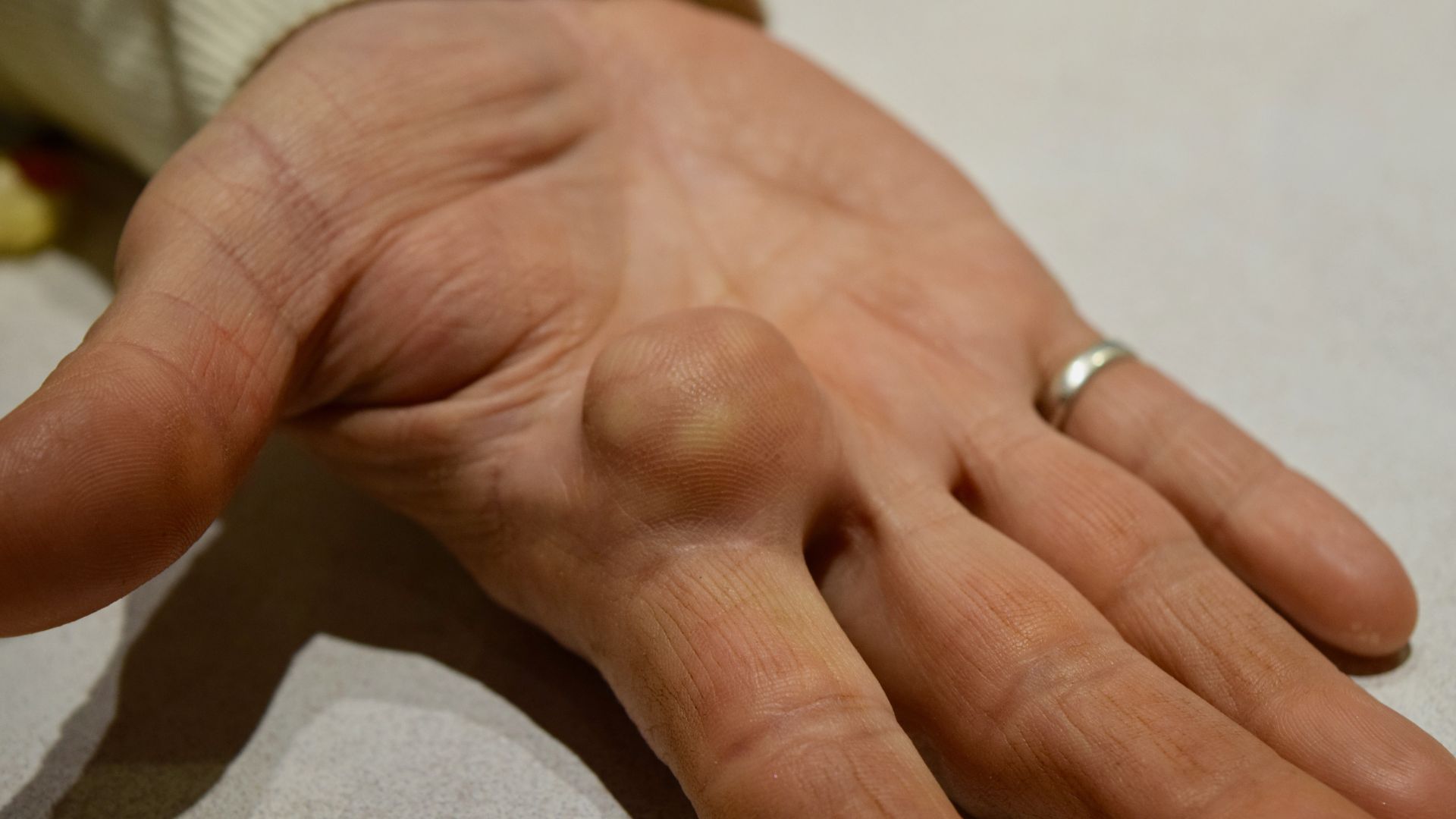
When you discover an unusual lump under your skin, it’s natural to feel concerned. Let’s break down the key differences between lipomas and tumors to help you better understand these common medical conditions.
What is a Lipoma?
A lipoma is a soft, doughy lump that grows slowly beneath your skin. Think of it as a small pocket of fat cells that’s generally harmless. These benign growths can appear anywhere on your body but are most common on the:
- Neck
- Shoulders
- Back
- Arms
- Thighs
Most lipomas feel soft and move easily when pressed with your fingers. They rarely cause pain unless they press against nearby nerves or contain blood vessels.
Understanding Tumors
Unlike lipomas, tumors are abnormal growths that can develop in any type of tissue. They come in two main categories:
Benign Tumors
These non-cancerous growths stay in one place and don’t spread to other parts of your body. While they can grow larger, they generally don’t pose a life-threatening risk.
Malignant Tumors
These cancerous growths can invade nearby tissues and potentially spread to other parts of your body through your bloodstream or lymphatic system.
Key Differences to Remember
Texture and Movement
- Lipomas feel soft and rubbery
- Tumors often feel firm or hard
- Lipomas move freely under the skin
- Tumors typically feel more fixed in place
Growth Pattern
Lipomas usually grow very slowly and rarely exceed 2-3 inches in diameter. Tumors, especially malignant ones, may grow more rapidly and can change in size or appearance over time.
Pain and Symptoms
Most lipomas are painless unless they press against nerves. Tumors may cause pain, unexpected weight loss, fever, or other systemic symptoms depending on their location and type.
When Should You See a Doctor?
While lipomas are generally harmless, it’s important to have any new lumps checked by a healthcare provider. Seek medical attention if you notice:
- Rapid growth of the lump
- Pain or tenderness
- Changes in skin color over the lump
- Hard, immovable masses
- Multiple new growths appearing quickly
Treatment Options
For Lipomas:
Most lipomas don’t require treatment unless they bother you cosmetically or cause discomfort. Treatment options include:
- Surgical removal (excision)
- Liposuction
- Steroid injections
For Tumors:
Treatment depends on whether the tumor is benign or malignant. Options may include:
- Surgery
- Radiation therapy
- Chemotherapy
- Targeted therapy
- Immunotherapy
Remember, early detection and proper medical evaluation are crucial for any unusual growths. While most lumps turn out to be harmless lipomas, it’s always better to err on the side of caution and get them checked by a healthcare professional.
Stay proactive about your health, and don’t hesitate to seek medical advice if you have concerns about any unusual lumps or growths on your body.
A Supplement Worth Discussing With Your Doctor
As a physician, I believe in combining sound clinical guidance with targeted nutritional support. One product I recommend patients explore is Master Hair Vitamin Gummies from Master Nutritional.
This supplement designed to support healthy hair growth, strengthen nails, and promote radiant skin. It is crafted using carefully selected, research-supported ingredients designed to complement a medically sound wellness plan.
- Formulated with high-quality, science-backed ingredients
- Designed for long-term wellness support rather than short-term fixes
- Available directly through Master Nutritional
Disclaimer: These statements have not been evaluated by the FDA. This product is not intended to diagnose, treat, cure, or prevent any disease. Always consult your physician before beginning any new supplement regimen.
Frequently Asked Questions
What are the main health takeaways about Lipoma vs Tumor: Everything You Need to Know?
A proactive approach combining lifestyle habits, targeted nutrition, and professional medical guidance produces the most lasting results.
Can supplements help with this health concern?
Quality supplements like Master Hair Vitamin Gummies from Master Nutritional may provide meaningful support. Always consult your doctor first.
How quickly can healthy habits make a difference?
Most people notice meaningful changes within 4 to 8 weeks of consistent effort, though individual results vary.