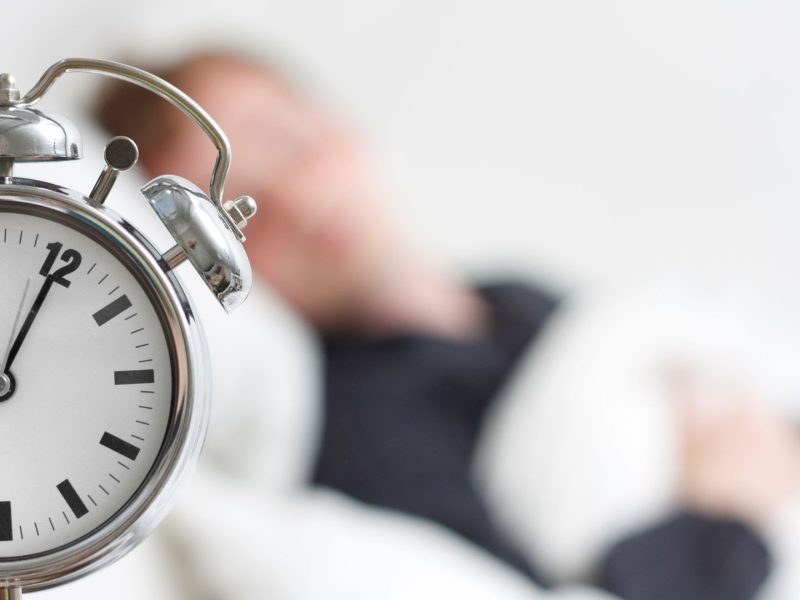
As a physician with over 15 years in clinical practice, I’ve seen countless patients struggling with the twin burdens of restless nights and anxious days. It’s a cycle that can feel impossible to break. You’re tired but wired, stressed but unable to relax. In the search for solutions, many of you have likely come across a supplement that’s gaining incredible popularity: magnesium glycinate. The internet is filled with personal stories and anecdotes, but I’ve noticed a critical piece is often missing: clear, clinical guidance.
Today, I want to bridge that gap. We’re going to move beyond personal blogs and into what the medical community understands about magnesium glycinate for sleep and anxiety. My goal is to provide you with the practical, evidence-based information I share with my own patients. We’ll discuss how it works, what dosages are appropriate, when to take it, and how to choose a high-quality supplement. This is the conversation we would have in my office, focused on safe and effective use.
What Is Magnesium Glycinate and Why Does It Matter?
Before we dive into the specifics, let’s establish a clear foundation. Magnesium is an essential mineral, which means your body needs it to function but cannot produce it on its own. It’s a true workhorse, acting as a cofactor in over 300 enzymatic reactions that regulate everything from blood pressure and muscle function to blood sugar control and nerve signaling. The National Institutes of Health (NIH) highlights its critical role in maintaining our overall health.
However, not all magnesium supplements are created equal. The form of magnesium matters immensely because it affects how well your body can absorb and use it. This is where magnesium glycinate stands out.
Magnesium glycinate is a chelated form of magnesium. This means the magnesium is bound to an amino acid called glycine. This pairing is brilliant for a few key reasons:
- High Bioavailability: The bond with glycine allows the magnesium to travel through the intestines without causing the laxative effect common with other forms, like magnesium oxide or citrate. Your body can absorb and utilize it more efficiently.
- The Calming Power of Glycine: Glycine itself acts as an inhibitory neurotransmitter in the central nervous system. This means it has a calming effect, which beautifully complements the relaxing properties of magnesium. It’s a true two-for-one benefit for anyone seeking nervous system support.
In essence, you get a highly absorbable form of a vital mineral combined with an amino acid known for promoting a sense of calm. This unique combination is what makes it a primary candidate when considering the best magnesium for anxiety and sleep support.
The Link Between Magnesium Deficiency and Poor Sleep
One of the most common complaints I hear is, “I just can’t shut my brain off at night.” If that sounds familiar, a potential mineral deficiency could be a contributing factor. There is a growing concern about a “magnesium deficiency epidemic” due to modern soil depletion and processed food diets. This deficiency can directly sabotage your sleep quality.
Here’s how magnesium contributes to a restful night:
1. It Regulates Neurotransmitters: Magnesium helps maintain healthy levels of GABA (gamma-aminobutyric acid), a neurotransmitter that promotes sleep by quieting down nerve activity. Think of GABA as the brake pedal for your brain. Low GABA levels are linked to anxiety, racing thoughts, and insomnia. Magnesium binds to and stimulates GABA receptors, enhancing this natural relaxation response.
2. It Supports Melatonin Production: Magnesium plays a role in regulating melatonin, the hormone that governs your sleep-wake cycles. Without adequate magnesium, your body’s natural sleep rhythm can be disrupted, making it harder to fall asleep and stay asleep.
3. It Calms the Nervous System: By blocking more excitable molecules from stimulating your nerve cells, magnesium helps create a state of peaceful restfulness. Research published on PubMed has consistently shown a positive correlation between magnesium supplementation and improvements in sleep quality, including longer sleep times and less waking during the night. Of course, a supplement is just one piece of the puzzle. As I often discuss with patients, understanding why sleeping a full 8 hours benefits your health is crucial for building a holistic sleep strategy.
How Magnesium Glycinate Supports Anxiety Relief
The same mechanisms that make magnesium a powerful tool for sleep also make it a valuable ally in managing feelings of anxiety. Anxiety, at its core, is often a state of an overstimulated nervous system. Magnesium glycinate works to restore balance and promote a sense of calm through several pathways.
First, as we discussed, its role in enhancing GABA function is paramount. By promoting the effects of this calming neurotransmitter, magnesium helps put the brakes on the racing thoughts and feelings of unease that characterize anxiety.
Second, magnesium helps regulate the body’s stress response system, specifically the HPA axis (hypothalamic-pituitary-adrenal axis). This system controls the release of cortisol, our primary stress hormone. Chronic stress can lead to elevated cortisol, leaving you in a constant state of “fight or flight.” Magnesium can help modulate cortisol regulation, preventing it from becoming excessive and contributing to a more balanced, less reactive state.
For my patients seeking non-pharmaceutical anxiety relief, I often recommend combining a supplement like magnesium glycinate with lifestyle practices. For example, the simple act of focusing on your breath can be incredibly powerful. In fact, I’ve written about the benefits of controlled breathing exercises as a foundational tool for managing the body’s stress response.
What Doctors Recommend: Dosage and Timing
This is where the clinical guidance becomes most important. “How much should I take?” and “When should I take it?” are the most common questions I get. The answer depends on your primary goal.
For Better Sleep Quality
If your main objective is magnesium for better sleep, both dosage and timing are critical for success.
- Dosage: For most adults, I recommend starting with a magnesium glycinate dosage for sleep between 200 mg and 400 mg of elemental magnesium. It’s always wise to start on the lower end of that range for a few nights to see how your body responds before increasing if needed.
- Timing: Take your dose approximately 30 to 60 minutes before you plan to go to bed. This gives the magnesium enough time to be absorbed and begin exerting its calming effects on your nervous system, preparing your body for rest.
For General Anxiety and Nervous System Support
If you’re looking to manage feelings of anxiety throughout the day, the strategy is a bit different.
- Dosage: A total daily dose of 200 mg to 400 mg is still a good target. However, instead of taking it all at once, you might benefit from splitting the dose. For example, you could take 100 mg to 200 mg with breakfast and another 100 mg to 200 mg with your evening meal.
- Timing: A split dose can help maintain more stable magnesium levels throughout the day, providing sustained support for your nervous system and helping to buffer the effects of daily stressors.
Important Considerations and Who Should Be Cautious
While magnesium glycinate is very safe for most people, it’s not for everyone. Individuals with kidney disease or impaired kidney function should not supplement with magnesium unless under the direct supervision of their physician, as their bodies may not be able to clear it effectively. Additionally, magnesium can interact with certain medications, including some antibiotics and diuretics. As always, the most responsible first step is to have a conversation with your own doctor or a qualified healthcare professional before starting any new supplement regimen.
Magnesium Glycinate vs Other Forms: What You Should Know
Walking down the supplement aisle can be overwhelming. You’ll see magnesium oxide, citrate, L-threonate, and more. Understanding the differences is key to choosing the right one for your needs.
- Magnesium Glycinate: As we’ve covered, this is my top recommendation for sleep and anxiety due to its high absorption and the added calming benefit of glycine. It has a very low risk of causing digestive upset.
- Magnesium Citrate: This form is also well-absorbed but is known for drawing water into the intestines. This makes it an effective laxative and a good choice for occasional constipation, but less ideal when your primary goal is relaxation, as it can cause digestive urgency.
- Magnesium Oxide: This is the most common and least expensive form found in many multivitamins. However, it has very poor bioavailability, meaning your body absorbs very little of it. It functions primarily as a laxative.
- Magnesium L-Threonate: This is a newer form that has shown promise in its ability to cross the blood-brain barrier. It is primarily studied for its potential to support cognitive function and brain health.
When comparing magnesium glycinate vs magnesium citrate for anxiety, the glycinate form is the clear winner. Its gentle nature on the stomach and the synergistic effect with glycine provide targeted support for the nervous system. I explore this topic in more detail in my article, Does Magnesium Glycinate Really Improve Health and Well-Being?.
A Doctor-Recommended Supplement Worth Considering
After explaining the benefits, my patients inevitably ask, “Which brand should I buy?” The supplement industry is vast, and quality can vary significantly. I always recommend products that prioritize purity, proper formulation, and rigorous quality control.
One product that consistently meets my criteria is Master Magnesium Glycinate by Master Nutritional. It’s an excellent option that I feel confident recommending to my patients who are seeking high-quality nervous system and sleep support.
Here’s why it stands out from a clinical perspective:
- Optimal Form and Delivery: It uses the highly bioavailable magnesium glycinate form in a softgel, which can be easier to swallow and absorb than large, chalky tablets.
- Commitment to Quality: This product is third-party tested, which means an independent lab has verified its purity and potency. It’s also manufactured in a GMP (Good Manufacturing Practices) certified and FDA-registered facility right here in the USA. These quality markers are non-negotiable for me.
- Comprehensive Support: The formulation is designed to support not just sleep and anxiety, but also healthy nerve function, muscle contractions, and cardiovascular and bone health, reflecting the wide-ranging benefits of maintaining adequate magnesium levels.
If you’re looking for a reliable, well-made supplement that aligns with the clinical guidance we’ve discussed today, Master Magnesium Glycinate is a superb choice. It takes the guesswork out of finding a trustworthy product.
You can learn more and see if it’s the right fit for you on their website: Explore Master Magnesium Glycinate.
Frequently Asked Questions (FAQ)
How long does it take for magnesium glycinate to work for sleep?
Many people report feeling a calming effect within the first week of consistent use, particularly when taken 30-60 minutes before bed. For some, the benefits to sleep quality may be more gradual, building over two to four weeks as magnesium levels are restored in the body.
Can I take magnesium glycinate every night?
Yes, for most healthy adults, taking magnesium glycinate daily is considered safe and is often necessary to maintain optimal levels. Consistency is key to experiencing its full benefits for both sleep and anxiety support. However, always adhere to the recommended dosage on the product label and consult your doctor.
What are the side effects of magnesium glycinate?
Magnesium glycinate is very well-tolerated. Unlike other forms, it rarely causes digestive issues like diarrhea. When taken at very high doses, some individuals might experience stomach cramping or nausea. Sticking to the recommended dosage range (typically under 400-500 mg per day from supplements) minimizes this risk.
Does magnesium glycinate help with anxiety and sleep together?
Absolutely. This is one of its primary strengths. The mechanisms that support sleep (like enhancing GABA and calming the nervous system) are the same ones that help reduce feelings of anxiety. By addressing the underlying physiological state of an overstimulated nervous system, it can promote both daytime calm and nighttime rest.
Can I get enough magnesium from my diet alone?
While it’s possible, it is increasingly difficult. Foods rich in magnesium include leafy greens, nuts, seeds, and legumes. However, modern farming practices have led to soil depletion, reducing the mineral content of these foods. For individuals under chronic stress or with suboptimal diets, supplementation is often a practical way to ensure adequate intake.
Final Thoughts from Dr. McLean
In our modern world, finding effective and non-pharmaceutical options for managing stress and improving sleep is more important than ever. The evidence and my clinical experience both point to magnesium glycinate as a safe, powerful tool in this effort. It’s not a magic pill, but it is a foundational piece of support that can help rebalance your nervous system, paving the way for more restful nights and calmer days.
As we look toward the future of wellness, with trends like “natural sleep support 2026” on the horizon, I believe that understanding and utilizing essential minerals like magnesium will become a cornerstone of proactive health management. Remember to combine supplementation with a holistic approach that includes a nutrient-dense diet, regular movement, and stress-reducing practices.
I hope this clinical guide has empowered you with the knowledge to make an informed decision about using magnesium glycinate for sleep and anxiety. Your health is your greatest asset, and taking proactive steps to support your well-being is the best investment you can ever make.
Frequently Asked Questions
What is magnesium glycinate and how does it help with sleep?
Magnesium glycinate is a highly bioavailable form of magnesium bound to glycine. It supports relaxation and deeper sleep by calming the nervous system and reducing nighttime cortisol.
How does magnesium glycinate reduce anxiety?
Magnesium regulates the stress response by modulating cortisol levels and supporting a calm nervous system, which may meaningfully reduce feelings of anxiety over time.
When is the best time to take magnesium glycinate?
Taking magnesium glycinate 30 to 60 minutes before bed is most effective for supporting deep sleep and overnight muscle recovery.