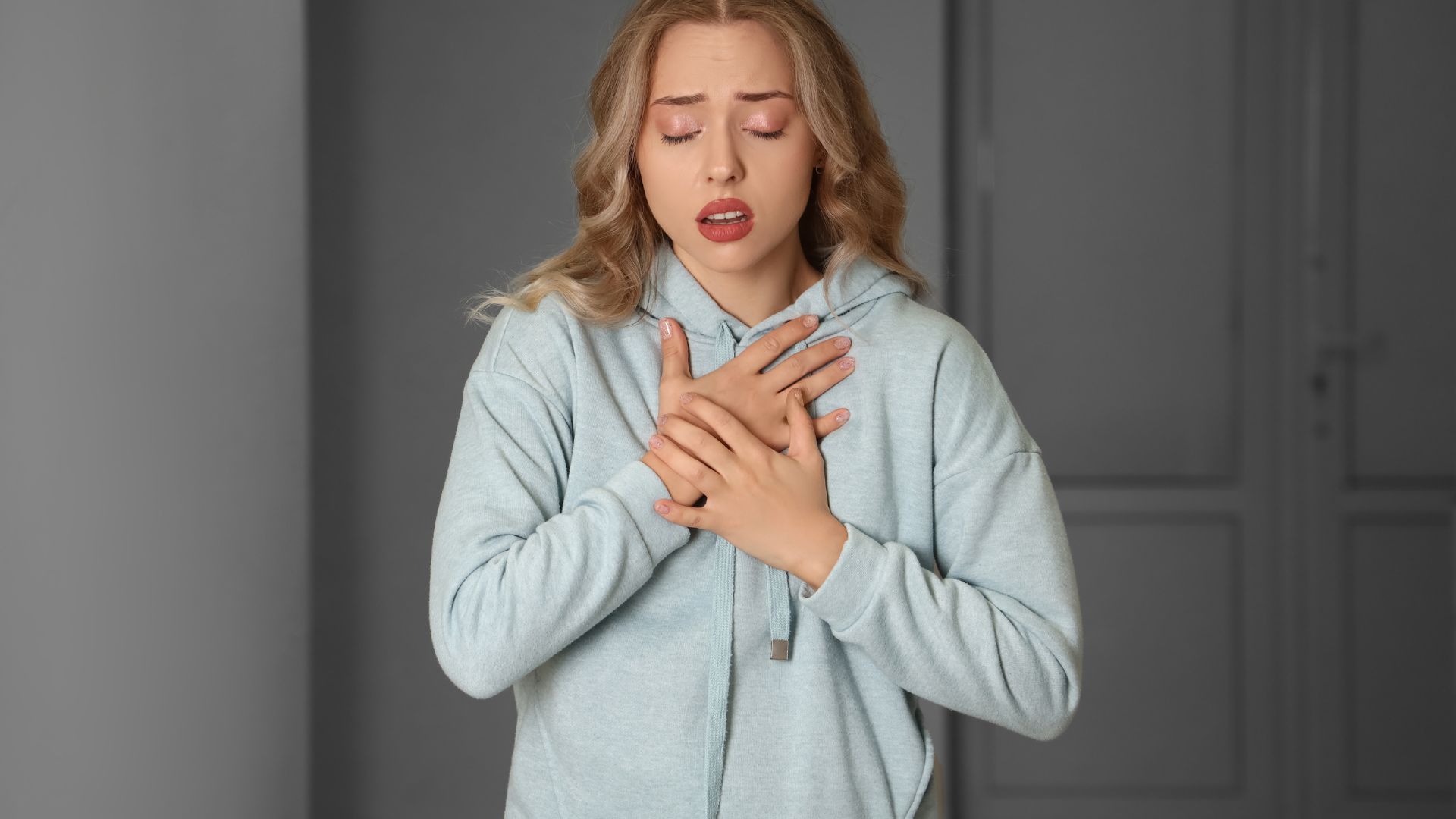
As a doctor who regularly treats patients with anxiety and panic disorders, I can tell you that panic attacks are more common than many people realize. The experience can be terrifying—you may feel like you’re having a heart attack, struggling to breathe, or losing control. But the good news is, there are effective ways to manage and cope with a panic attack in the moment. Let me walk you through what to do if you or someone you love experiences one.
What Is a Panic Attack?
A panic attack is a sudden episode of intense fear or anxiety that triggers severe physical reactions when there is no real danger or apparent cause. Symptoms typically peak within 10 minutes and include:
✔️ Rapid heartbeat or palpitations
✔️ Shortness of breath or hyperventilation
✔️ Chest pain or tightness
✔️ Sweating or chills
✔️ Dizziness or light-headedness
✔️ Nausea or stomach discomfort
✔️ Fear of losing control or dying
Step-by-Step Guide: What to Do in a Panic Attack
1. Recognize the Signs
The first step is acknowledging that what you’re experiencing is a panic attack, not a heart attack or life-threatening emergency. This awareness can significantly reduce fear and help you begin calming down.
2. Focus on Your Breathing
Panic attacks often cause hyperventilation, which makes symptoms worse. To control your breathing:
- Inhale slowly through your nose for 4 seconds.
- Hold your breath for 2 seconds.
- Exhale slowly through your mouth for 6 seconds.
- Repeat this for a few minutes until your breathing stabilizes.
Breathing deeply tells your brain that you’re safe, helping to reduce the fight-or-flight response.
3. Ground Yourself in the Present
Use the 5-4-3-2-1 grounding technique to anchor yourself:
- Name 5 things you can see.
- Name 4 things you can touch.
- Name 3 things you can hear.
- Name 2 things you can smell.
- Name 1 thing you can taste.
This mindfulness practice helps divert your mind from panic to the present moment.
4. Use Positive Affirmations
Tell yourself:
- “This is uncomfortable, but it will pass.”
- “I am safe.”
- “I’ve survived panic attacks before, and I will get through this.”
Repeating calming, rational thoughts can counter the irrational fear your body is experiencing.
5. Remove Yourself from Triggers (If Possible)
If you’re in a crowded or noisy place, try to move to a quieter, more comfortable environment. Reducing stimulation can help your nervous system reset.
What Not to Do in a Panic Attack
- Don’t fight it. Resisting can actually make it worse.
- Don’t try to hide it from others. If someone you trust is nearby, let them know.
- Don’t self-medicate with alcohol or drugs.
When to Seek Help
If panic attacks happen frequently or interfere with your daily life, it’s time to speak with a healthcare provider. Treatment options like cognitive behavioral therapy (CBT) and anti-anxiety medications can be life-changing.
Final Thoughts
Panic attacks are scary, but they are not dangerous. Knowing what to do in a panic attack can help you regain control and reduce the intensity. Remember—you are not alone, and help is available. The more you understand your body’s reaction, the more empowered you’ll feel in managing it.
Have you ever experienced a panic attack? Feel free to share your story or ask questions below.
A Natural Supplement Worth Considering
As a Medical Doctor, I believe in combining sound lifestyle practices with targeted nutritional support. One product I recommend looking into is Master Omega 3 Gummies from Master Nutritional.
This supplement supports cardiovascular health, promotes healthy brain function, and helps maintain a balanced immune response. It is crafted from carefully selected ingredients designed to complement a health-conscious lifestyle.
Key benefits include:
- Formulated with high-quality, science-backed ingredients
- Designed to support long-term wellness rather than quick fixes
- Manufactured to rigorous quality standards
- Available directly through Master Nutritional
Disclaimer: These statements have not been evaluated by the FDA. This product is not intended to diagnose, treat, cure, or prevent any disease. Always consult your healthcare provider before beginning any new supplement regimen.
Frequently Asked Questions
What are the main health takeaways about What to Do in a Panic Attack? A Doctor’s Perspective?
A proactive approach combining lifestyle habits, targeted nutrition, and professional medical guidance produces the most lasting results.
Can supplements help with this health concern?
Quality supplements like Master Omega 3 Gummies from Master Nutritional may provide meaningful support. Always consult your doctor first.
How quickly can healthy habits make a difference?
Most people notice meaningful changes within 4 to 8 weeks of consistent effort, though individual results vary.